
Favorite Bathtub Installation Products for a Perfect Bathroom Makeover
Choose from popular products that combine style, durability, and ease of installation for your bathroom renovation.
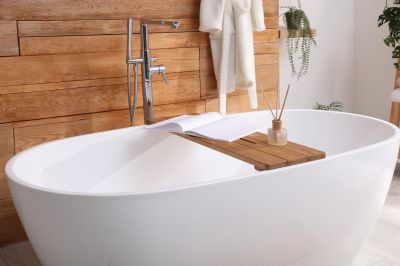 When considering products for bathtub installations, it is essential to focus on both functionality and compatibility with existing bathroom layouts. Bathtub installation involves selecting the right tub, supporting hardware, plumbing fixtures, and finishing accessories to ensure a safe and durable setup. The variety of available products allows homeowners and contractors to customize their installations according to space constraints, aesthetic preferences, and plumbing requirements. Proper planning and the right product choices can contribute to a seamless installation process and a satisfying end result.
Top Overall Option
Universal Bathtub Support System
A versatile support system designed to accommodate various bathtub types and sizes, providing stable framing and easy installation. Made from corrosion-resistant materials, it offers durability and flexibility for different bathroom configurations.
Types of Products For Bathtub Installations
Acrylic Bathtubs
Lightweight and available in various shapes and sizes, acrylic tubs are popular for their ease of installation and maintenance.
Cast Iron Bathtubs
Known for durability and heat retention, cast iron tubs are often chosen for their classic look and longevity.
Fiberglass Bathtubs
Affordable and easy to install, fiberglass tubs are a common choice for remodels and new installations.
Drop-in Bathtubs
Designed to be installed within a custom surround or deck, these tubs offer versatility in bathroom design.
Freestanding Bathtubs
Independent units that can be placed anywhere in the bathroom, often serving as focal points.
Corner Bathtubs
Optimized for corner spaces, these tubs maximize bathroom footprint while providing comfort.
Whirlpool Tubs
Incorporating jets for hydrotherapy, these tubs require specialized plumbing and support systems.
Soaking Tubs
Designed for deep immersion, these tubs prioritize comfort and spaciousness.
Clawfoot Tubs
Vintage-style tubs supported by decorative feet, often used in traditional bathroom designs.
Accessible Bathtubs
Features such as low thresholds and grab bars, aimed at improving safety and accessibility.
Shower Bathtub Combinations
Dual-purpose units that combine a shower and bathtub for versatile use.
Spa Tubs
Luxury options with integrated massaging features and advanced control systems.
Plumbing Fixtures
Includes faucets, drains, and overflow covers essential for proper bathtub functionality.
Support Frames
Structural components that provide stability during and after installation.
Waterproof Membranes
Protective layers that prevent water seepage behind tiles or panels, ensuring durability.
Sealing and Caulking Materials
Used to create watertight seals around fixtures and edges, preventing leaks.
Bathtub Surrounds
Panels and enclosures that enhance aesthetic appeal and protect walls from water damage.
Popular Choices
Widely used for their lightweight nature and ease of installation, acrylic tubs are favored in many bathroom remodels.
Popular for their stylish appearance and flexibility in placement, these tubs often serve as statement pieces.
Versatile and adaptable, drop-in tubs are common in custom bathroom designs.
Classic and decorative, clawfoot tubs remain a favorite for traditional bathroom aesthetics.
Offering hydrotherapy features, these tubs attract users seeking relaxation options.
Ideal for maximizing space in smaller bathrooms, corner tubs are trending for their efficiency.
Cost-effective and easy to install, fiberglass tubs are common in many renovation projects.
Designed for safety and ease of use, accessible tubs are increasingly popular in homes with mobility needs.
Luxury spa features in tubs are trending among homeowners seeking a spa-like experience at home.
Functional and space-saving, these combos are frequently chosen for multi-purpose bathrooms.
Reliable framing and support systems are essential for secure installation of various bathtub types.
Essential for protecting walls and floors, waterproof membranes are highly sought after in installations.
A successful bathtub installation starts with understanding the different types of tubs available, such as alcove, corner, freestanding, and drop-in models. Each type requires specific supporting components, including reinforced decks, waterproof membranes, and appropriate sealing materials. Plumbing fixtures like faucets, drains, and overflow covers are also integral to completing the setup. Additionally, accessories such as grab bars, non-slip mats, and decorative surrounds can enhance safety and visual appeal.
Selecting quality installation products is crucial for ensuring longevity and ease of maintenance. Durable materials like corrosion-resistant metals and high-quality plastics are commonly used in plumbing fixtures and support hardware. Compatibility with existing plumbing and structural support systems should be verified before purchase. Consulting with professionals or reviewing detailed product specifications can help in making informed decisions, especially for complex or custom installations. Proper installation not only improves safety but also helps prevent water damage and mold growth over time.
In summary, a well-planned bathtub installation relies on choosing the right combination of tubs, fixtures, support systems, and accessories. By investing in reliable, well-suited products, homeowners can achieve a functional and aesthetically pleasing bathroom space that meets their needs and preferences.
Key Buying Considerations
- Determine the available space and select a bathtub size and shape accordingly.
- Consider the material of the tub for durability, weight, and maintenance needs.
- Verify compatibility with existing plumbing fixtures and drainage systems.
- Assess the weight of the tub for structural support requirements, especially for heavier materials like cast iron.
- Choose appropriate support and framing hardware to ensure stability during installation.
- Evaluate the accessibility features if needed, such as grab bars or low thresholds.
- Decide on additional features like jets, heating, or built-in storage based on preferences.
- Review waterproofing and sealing options to prevent water damage and leaks.
- Consider aesthetic factors, including color, finish, and surrounding decor compatibility.
- Check for ease of installation, especially if undertaking a DIY project, or consult professionals for complex setups.
- Ensure the availability of compatible plumbing fixtures and accessories.
- Look into maintenance requirements for different materials and features.
- Assess the overall budget, including installation costs and necessary supporting products.
- Review product warranties and support services for long-term peace of mind.
- Prioritize safety features if the bathtub will be used by children or individuals with mobility challenges.